300%
Improvement in inventory turns
50%
Reduction in long inventory
50%
Reduction in working capital requirements
Purchasing recommendations built around forecasting and supply chain realities
Purchasing recommendations that reflect demand forecasts, inventory position, supplier lead times, advertising activity, pricing changes, and promotional plans.
- SKU-level purchasing recommendations
- Inventory position and lead-time planning
- Advertising, pricing, and promotion-aware purchasing

Inventory planning that optimizes working capital
Inventory planning identifies excess and short inventory positions in real time, helping teams allocate working capital more effectively.
- Real-time excess inventory tracking
- Real-time short inventory tracking
- Working capital optimization planning
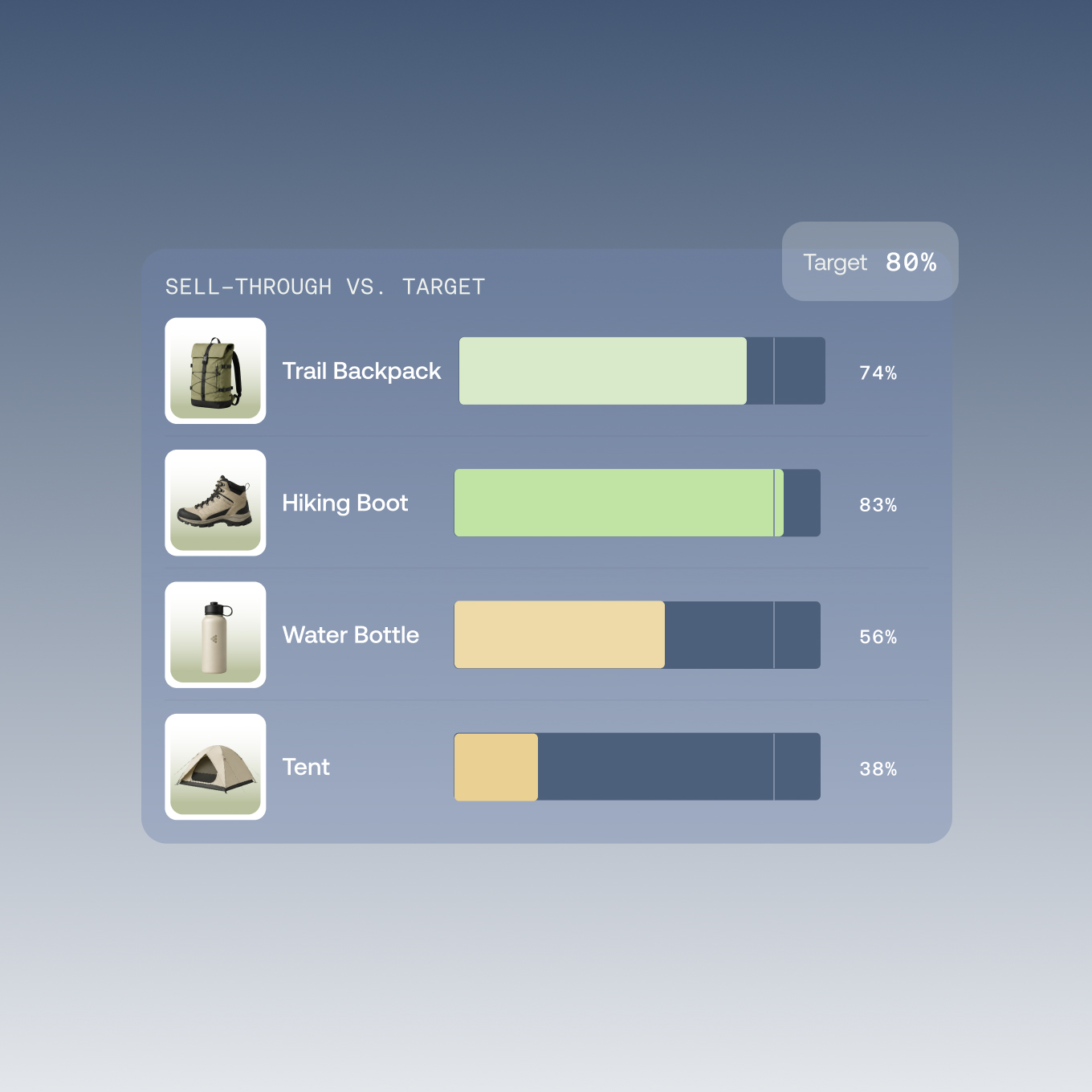
React faster to changing sales and market dynamics
Inventory plans adjust as sales velocity, purchasing cycles, and market conditions change.
- Sales and inventory monitoring
- Purchasing adjustments
- Inventory risk tracking

Better decisions.
Stronger outcomes.

Reduce stockouts and missed sales
Keep inventory available where demand exists, capturing more revenue from products already performing well.

Reduce excess inventory
Free up working capital by identifying slow-moving products early and aligning inventory levels with actual demand.

React faster to changing demand
Adjust purchasing and replenishment plans as sales trends, seasonality, and market conditions evolve.

+26%
weekly average revenue
+61%
weekly average contribution profit
+70%
weekly ad-attributed sales
453%
weekly ad-attributed contribution profit
“Capline completely transformed our performance. We had been struggling to scale before working with them, but within a few weeks Capline tripled our advertising profit and doubled our advertising revenue, all while maintaining a steady ROAS of 20x. This proves their unique ability to drive rapid, efficient growth. No other tool or agency has delivered such dramatic results, so quickly. Capline truly sets a new standard.”
Select what you need
Advertising
Bids built around product-level margins, conversion efficiency, and bid elasticity so every ad dollar goes where it makes a difference.
Pricing & promotions
Pricing and promotions built around consumer behavior, unit economics, competitive dynamics, and linked to predictable and measurable financial outcomes.
Forecasting
Advanced ecommerce forecasting built around sales trends, planned advertising activity and planned promotions and pricing changes.
All-in-one
Inventory FAQ
How can I reduce stockouts without increasing inventory costs?
The key is improving forecasting accuracy and replenishment timing. Better inventory planning helps businesses place orders earlier and allocate inventory more efficiently without simply carrying more stock.
What causes excess inventory in ecommerce?
Common causes include inaccurate forecasts, overly aggressive purchasing, changing consumer demand, long lead times, and poor visibility into product-level performance.
How much inventory should I keep on hand?
The right inventory level depends on sales velocity, supplier lead times, service level targets, and demand variability. Inventory decisions should be based on projected demand rather than fixed rules.
How do stockouts affect profitability?
Stockouts reduce revenue, weaken marketplace rankings, increase customer acquisition costs, and can create long-term demand loss that extends beyond the period of unavailability.
What inventory metrics should ecommerce businesses monitor?
Key metrics include days of cover, fill rate, inventory turns, excess inventory exposure, stockout risk, sell-through rate, and forecast accuracy.